Australia passes gambling bill but advertising rules remain unresolved
Parliament records a third reading and 71 agreed amendments, but its live status and text links do not yet establish the House-agreed advertising clause.
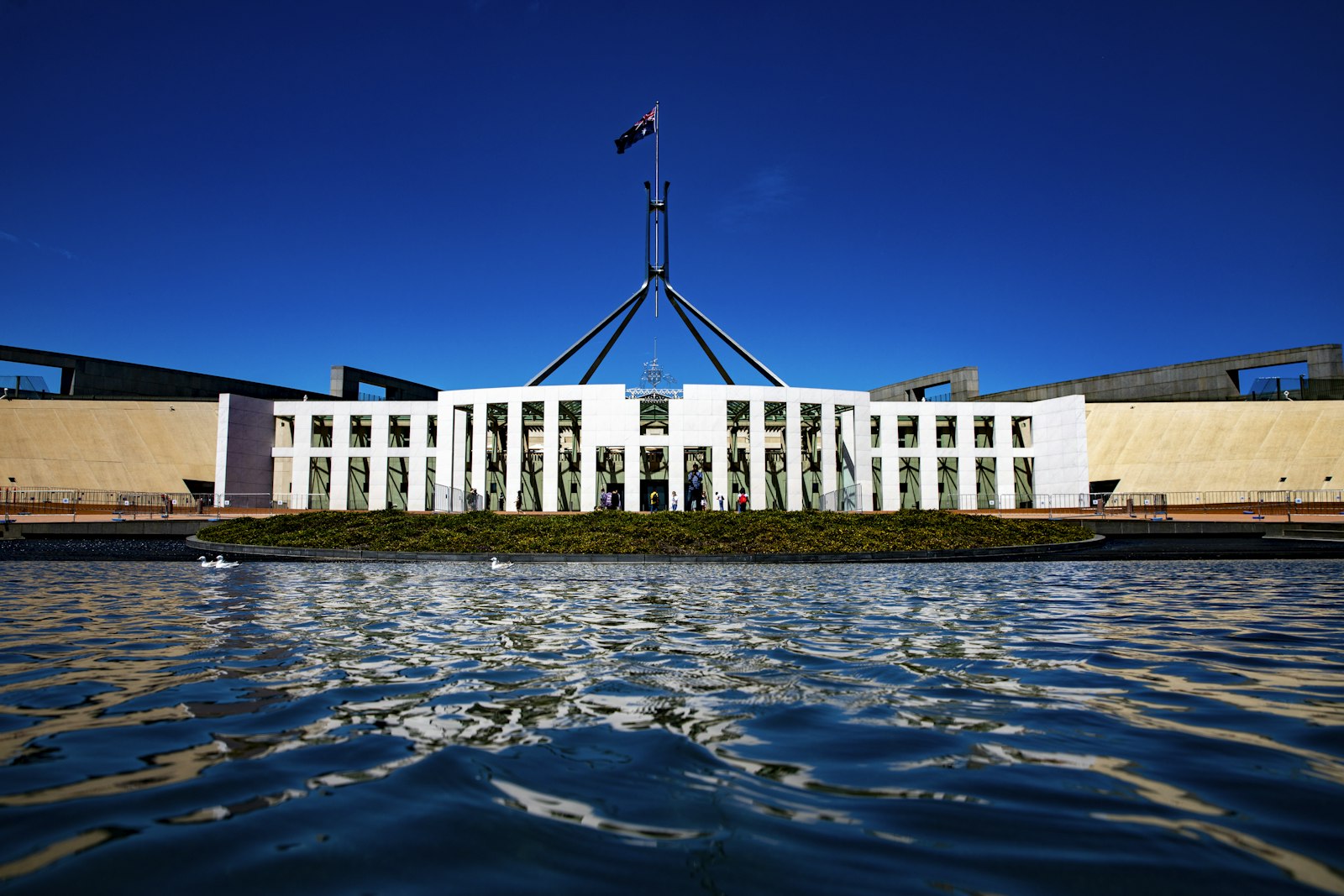
Australia’s Interactive Gambling Amendment (Gambling Reform) Bill 2026 passed its House third reading on 18 August, but the official record does not provide settled advertising rules for operators to implement. The same live page labels the bill 'Before Reps' and, when checked, linked the first-reading text under 'Text of bill'. The discrepancy makes this a procedural update, not evidence that the announced restrictions are final.
The record shows the third reading was agreed on 18 August 2026. It also records 26 government amendments and 45 opposition amendments agreed during consideration in detail. Those entries establish the House milestone and amendment activity, but the page does not show which wording left the House or whether Senate consideration has begun.
What the record confirms
The page identifies the formal instrument and its originating chamber. Its summary says the bill would amend the Interactive Gambling Act 2001 to establish new wagering-advertising restrictions, including requirements intended to prevent restricted users from receiving online advertising content. Parliament also lists a House amendment schedule and a supplementary explanatory memorandum among the available documents.
The government’s introduction release described the original package in more detail. It proposed restrictions across television, online platforms, radio, sports venues and uniforms, with online advertising limited to logged-in adults who can opt out. Because the House agreed 71 amendments, that July description cannot substitute for the House-agreed clause.
The department’s reform page says the package would commence on 1 January 2027 under the government’s plan. That date remains proposed while the final text, parliamentary path and commencement provisions are unresolved.
The amendment record is therefore material beyond the headline vote. A bill can clear a chamber while its operative wording differs from the version first introduced. The available record confirms movement through the House, but it does not identify the precise provisions governing advertising eligibility, audience controls, platform responsibilities or the timing of implementation. Those details matter for any operator preparing policies, campaigns or technical controls.
What operators should wait for
Current law remains the operative baseline. The ACMA compliance page says online gambling services must comply with the Interactive Gambling Act 2001 and that ACMA can investigate and enforce it. ACMA’s advertising-rule map separately sets out current requirements across television, radio, online services, children’s programming, live sport and prohibited interactive services.
The immediate control is documentary. Operators can preserve the introduced bill, flag commitments that extend into the government’s proposed commencement window and assign an owner to retrieve the House-agreed text. They should not change live audience eligibility, opt-out handling or campaign approval rules on the assumption that the July design survived unchanged.
That approach keeps current compliance work tied to the law in force while preserving a clear change-management record. Teams can identify campaigns or product decisions that would be affected if the proposed restrictions are enacted, without treating the government’s original package as the final legislative position. Any internal implementation plan should remain explicitly provisional until the official wording is available.
The next publication trigger is exact: Parliament must expose the House third-reading text or another official record must establish the wording that left the chamber. The amendment schedule can then be compared with the introduced bill. A Senate record would establish the next procedural stage, while enacted commencement provisions would establish when any final duty begins. Until those sources appear, the verified conclusion is limited to House passage, extensive amendments and an unresolved official record.
Permanent link to this Atlas analysis
Related Atlas analysis
Continue with coverage connected by market, topic and operating context.
- AustraliaRBA opens tokenisation consultation as retail CBDC case fadesThe Reserve Bank of Australia has set a 30 October deadline for views on tokenised settlement, alongside Treasury’s separate retail CBDC assessment.
- PhilippinesBSP opens rural-bank applications for SaaS core-banking supportEligible rural banks must link applications to specified RBSP tracks, clear BSP’s documentary review and complete deployment within six months before a fixed 36-month subscription begins.
- Australia — VictoriaVGCCC shifts gambling oversight towards earlier interventionVictoria's regulator has set a three-year supervisory roadmap around data-led risk detection, measurable harm outcomes and earlier operator intervention, without creating a new rule.
Continue with Atlas
Move from this development into the relevant research, comparison and workflow.
- Gambling compliance software guideSee the research, monitoring, ownership and evidence a useful platform should connect.
- Atlas vs VixioCompare gambling research, change monitoring, workflow, technical work and evidence.
- Monitoring and alertsFollow a relevant change from detection through accountable implementation.